Let's talk about Swiss steak in a crock pot. If you've ever been disappointed by a tough, chewy piece of round steak, this method is your redemption. It's not about fancy techniques; it's about understanding how low, slow heat and the right ingredients transform an economical, often problematic cut into something spectacularly tender and deeply flavorful. Forget the stovetop splatter and constant watching. Your slow cooker does the heavy lifting, turning collagen into gelatin over hours, resulting in meat that practically dissolves under a fork. I've made this dish dozens of times, for weeknight dinners and casual gatherings, and I've learned what makes the difference between good and unforgettable. This guide will walk you through every step, highlight the common pitfalls most recipes gloss over, and give you the confidence to make perfect Swiss steak every single time.
What You'll Find in This Guide
What Exactly Is Swiss Steak? (It's Not From Switzerland)
First, a clarification. "Swissing" refers to an old process of mechanically tenderizing meat by pounding or running it through rollers. The dish itself is a classic American comfort food. At its core, Swiss steak is a less-tender cut of beef (typically round or chuck), coated in flour, seared, and then braised in a tomato-based gravy until it becomes tender. The slow cooker is the modern, hands-off champion for this braising process.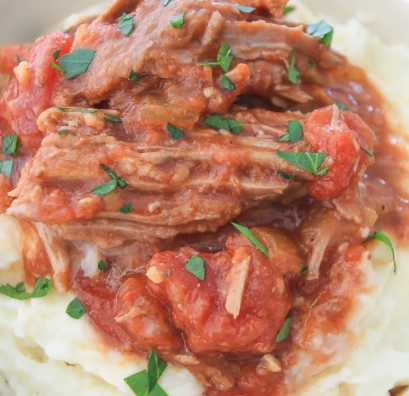
The magic happens between 170°F and 190°F (77°C and 88°C). At this temperature range, the tough connective tissues (collagen) in the meat break down into soft, unctuous gelatin. This is why time is non-negotiable. A two-hour simmer won't cut it. You need the long, patient embrace of the crock pot.
Key Takeaway: Swiss steak is a braising method, not a specific cut. The goal is to force tenderness into a cut that doesn't have it naturally, using moisture, time, and gentle heat.
Picking Your Ingredients: The Make-or-Break Details
Most recipes just list ingredients. I want to tell you why specific choices matter, based on a lot of trial and error.
The Beef: Round Steak vs. Chuck Roast
This is the biggest decision. Bottom round steak is the traditional choice. It's lean, inexpensive, and needs the braising. But it has very little fat marbling, so it can dry out if overcooked even in liquid. Chuck roast, cut into 1-inch thick steaks or chunks, is my strong preference. It has more intramuscular fat and collagen, which translates to a richer, more forgiving, and ultimately more succulent result. The fat renders slowly, basting the meat from within. If you find round steak tough after cooking, switch to chuck.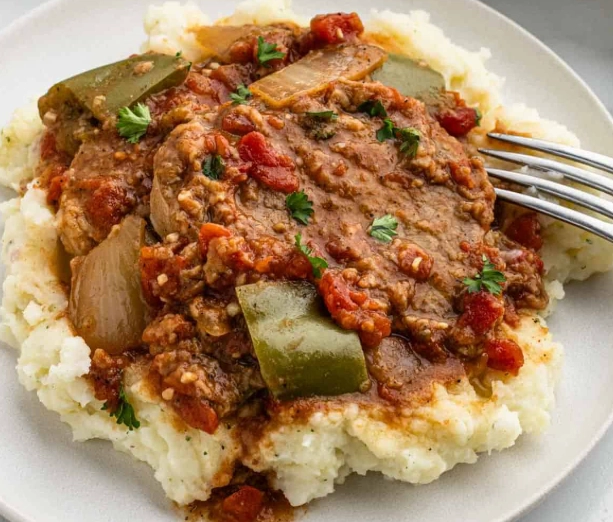
The Flour: More Than Just a Coating
Dredging in flour does three things: it creates a flavorful crust during searing, it helps thicken the gravy later, and it contributes to the Maillard reaction—those complex, savory flavors. Don't skip the sear. Use all-purpose flour. For a gluten-free version, a 50/50 mix of rice flour and cornstarch works surprisingly well.
The Flavor Foundation: Vegetables and Liquids
Onions, green bell peppers, and garlic are the holy trinity here. Slice them thick so they don't disappear into mush. For the liquid, a combination is best. Canned diced tomatoes provide body and acidity. Beef broth adds depth. A splash of Worcestershire sauce and a bay leaf introduce umami and herbal notes. I sometimes add a tablespoon of tomato paste during the sear for an extra flavor punch.
A common mistake? Using only tomato soup or cream of mushroom soup. It creates a one-dimensional, overly sweet or salty sauce. Starting with whole ingredients gives you control.
Your Foolproof Step-by-Step Process
Let's walk through it. Assume you're using a 6-quart slow cooker and serving 4-6 people.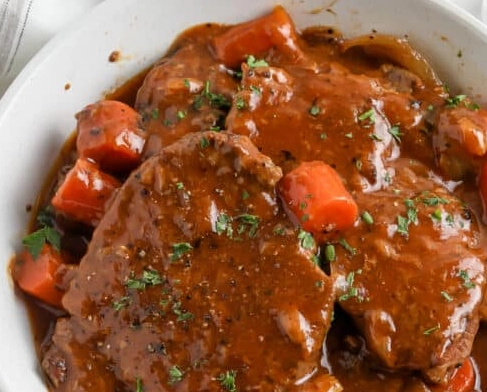
Step 1: Prep and Sear (The 10 Minutes That Matter Most)
Pat your 2-3 pounds of beef (chuck or round) completely dry with paper towels. This is crucial for a good sear. Season liberally with salt and black pepper. Dredge each piece in flour, shaking off the excess. Heat a tablespoon of vegetable oil in a heavy skillet over medium-high heat. Sear the meat for 2-3 minutes per side until deeply browned. Don't crowd the pan; do it in batches. This isn't to cook the meat through, just to build flavor. Transfer the meat to your slow cooker insert.
Step 2: Build the Base
In the same skillet, add another teaspoon of oil if needed. Toss in your sliced onion and green pepper. Sauté for 4-5 minutes until they start to soften. Add minced garlic for the last 30 seconds. Scrape all of this, including any browned bits (fond), over the meat in the slow cooker. Those bits are flavor gold.
Step 3: The Pour and Set
Pour one 14.5-oz can of diced tomatoes (undrained) and 1 cup of beef broth over everything. Add a tablespoon of Worcestershire sauce and one bay leaf. Gently stir to combine, trying not to disturb the meat's seared crust on top.
Step 4: The Long Wait
Cover and cook. Here's where your choice matters:
- For Chuck Roast: Low for 7-8 hours. High for 4-5 hours. Low is always better.
- For Round Steak: Low for 6-7 hours. High for 3-4 hours. Check earlier to avoid dryness.
The meat is done when it yields easily to a fork and can be pulled apart with little effort.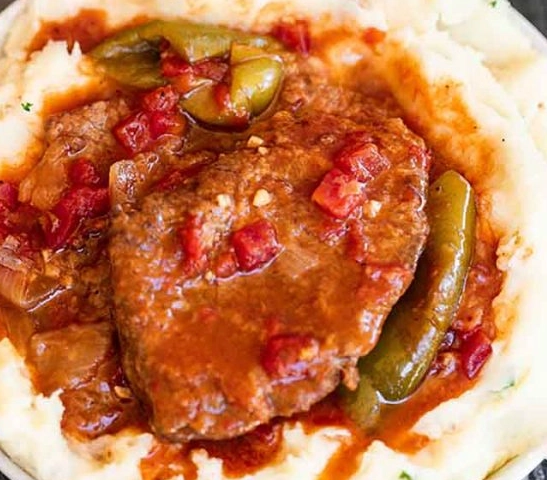
Step 5: Finish the Gravy
Remove the bay leaf. If your gravy is too thin, make a slurry. Mix 2 tablespoons of cornstarch with 3 tablespoons of cold water until smooth. Stir this into the hot liquid in the crock pot. Cover and cook on High for an additional 15-20 minutes until thickened. Taste and adjust seasoning with salt and pepper.
Slow Cooker Swiss Steak Timeline
Here’s a visual guide to manage your time, whether you're starting in the morning for dinner or using the high setting for a faster result.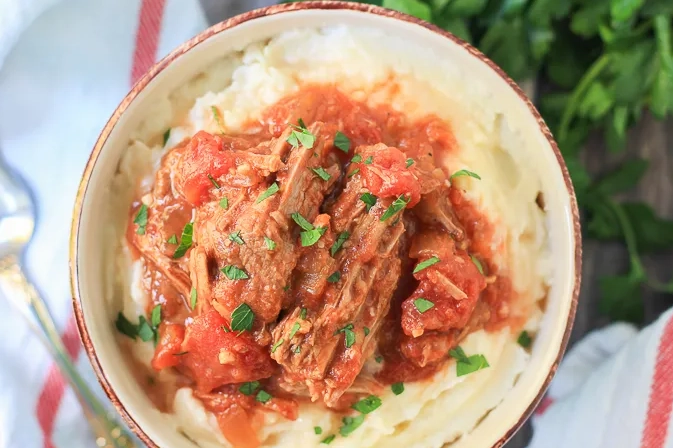
| Beef Cut | Slow Cooker Setting | Total Cook Time | Best For |
|---|---|---|---|
| Chuck Roast (cubed) | Low | 7 - 8 hours | All-day cooking, most tender result |
| Chuck Roast (cubed) | High | 4 - 5 hours | Afternoon start, weeknight dinner |
| Bottom Round Steak | Low | 6 - 7 hours | Traditional method, requires precise timing |
| Bottom Round Steak | High | 3 - 4 hours | Quickest method, higher risk of dryness |
Note: These times are for a fully loaded 6-quart pot. A half-full pot will cook faster. Always use the fork test as your final indicator.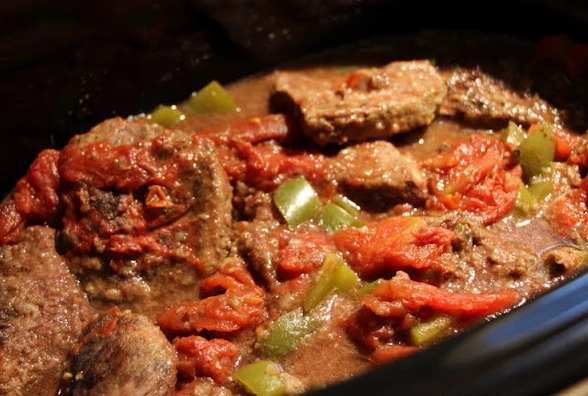
Your Swiss Steak Questions, Answered
My Swiss steak still turns out tough even after 8 hours. What am I doing wrong?
The most likely culprit is the cut of meat. If you're using round steak, it's exceptionally lean. A few degrees of internal temperature can push it from tender to dry and stringy. Switch to chuck roast. If you're already using chuck, your slow cooker might run hot. Try reducing the time by 30-60 minutes. Finally, ensure there's enough liquid—it should come about halfway up the sides of the meat, not fully submerge it.
Can I prepare Swiss steak in the crock pot the night before and just start it in the morning?
You can, but with a critical caveat. Do not add the flour-coated, seared meat to the liquid and refrigerate it together overnight. The flour will create a pasty, gummy coating. Instead, sear the meat and let it cool. Store it separately from the vegetables and liquid in the fridge. In the morning, quickly layer everything in the cold crock pot insert and start cooking. Add 15-20 minutes to the cook time since you're starting from cold.
Is it safe to put frozen beef directly into the slow cooker for Swiss steak?
The USDA advises against it because the meat can linger in the "danger zone" (40°F - 140°F) for too long as it thaws. For safety and quality, thaw your beef in the refrigerator first. Searing frozen meat is also ineffective—it steams instead of browns, sacrificing flavor. The sear is a key step; don't skip it for convenience.
What are the best sides to serve with slow cooker Swiss steak?
You want something to soak up that incredible gravy. Creamy mashed potatoes are the classic, foolproof choice. Buttered egg noodles or wide pasta like pappardelle work great. For a lighter option, try soft polenta or a hearty bread like a baguette or dinner rolls. A simple green vegetable—steamed green beans or a crisp salad—balances the richness.
How long do leftovers last, and can I freeze Swiss steak?
Leftovers will keep in an airtight container in the refrigerator for 3-4 days. The flavors often improve the next day. It freezes exceptionally well for up to 3 months. Cool it completely, then store it in a freezer-safe container with the gravy. Thaw in the refrigerator overnight and reheat gently on the stove or in the microwave, adding a splash of broth if the gravy has thickened too much.
The beauty of Swiss steak in a crock pot is its simplicity and reliability. It’s a technique that respects the ingredient, using time as the primary tool. Once you understand the principles—sear for flavor, choose the right cut, trust the low heat—you can adapt it endlessly. Add mushrooms, use a dash of smoked paprika, or stir in a cup of red wine with the broth. Make it yours. The goal is a comforting, satisfying meal that waits for you, not the other way around.
Reader Comments